April 27, 2026
The condition of a commercial asphalt surface influences far more than appearance. It affects how customers perceive a property, how safely vehicles move through the space, and how efficiently daily operations function. For business owners and property managers, maintaining a reliable pavement surface is not just a cosmetic concern but a practical necessity tied to long-term asset protection.
Over time, exposure to traffic loads, moisture, seasonal temperature changes, and general wear gradually weakens asphalt. Without consistent care, minor imperfections can evolve into structural issues that demand costly intervention. A structured approach helps preserve surface integrity while reducing the likelihood of unexpected disruptions that can interfere with normal business activity.
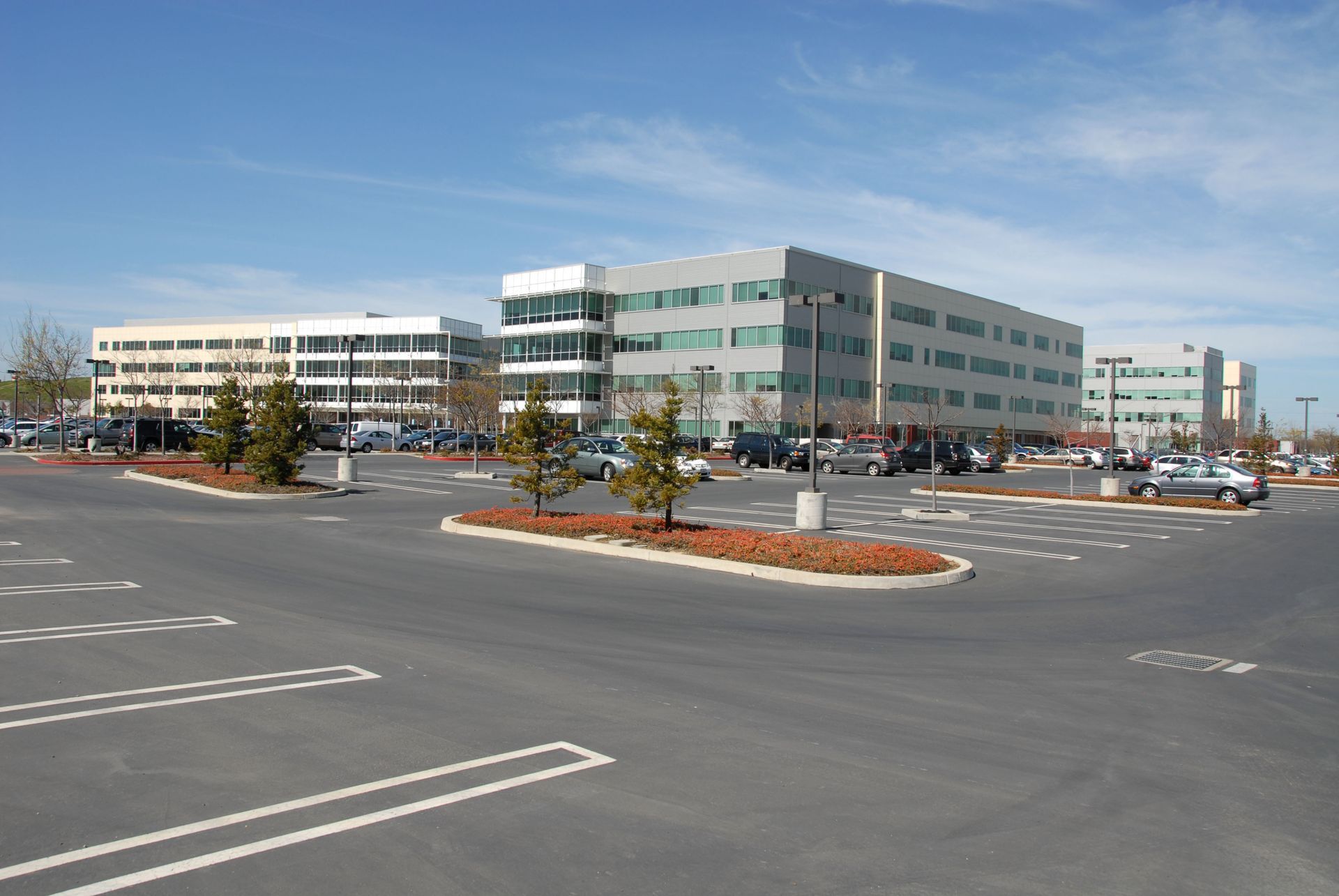
This is where a disciplined approach to pavement care becomes essential. Well-executed parking lot maintenance supports long-term performance by addressing early signs of deterioration before they escalate into more complex failures. It also contributes to a safer, more organized environment for both drivers and pedestrians while reinforcing a positive impression of the property.
1. Protecting Long-Term Pavement Performance and Asset Value
Preserving Structural Integrity Through Preventive Care
One of the most important advantages of consistent asphalt care is the preservation of structural integrity over time. Pavement is constantly exposed to stress from vehicle loads, weather fluctuations, and water infiltration. These forces gradually weaken the surface and underlying layers, especially when small cracks are left untreated.
Routine parking lot maintenance helps slow this deterioration by addressing early-stage damage before it spreads. Crack sealing, patching, and surface treatments all play a role in preventing moisture from penetrating deeper layers of asphalt. Once water reaches the base, it can compromise stability and lead to shifting or sinking sections of pavement.
A proactive approach also reduces the likelihood of widespread surface breakdown. Instead of reacting to major failures, property owners can manage small, controlled repairs that maintain structural consistency across the entire lot. This not only extends the usable life of the pavement but also helps stabilize long-term maintenance budgets.
When properly maintained, asphalt retains its load-bearing capacity for significantly longer periods, reducing the need for premature reconstruction. That extended lifespan directly contributes to stronger return on investment for commercial properties that depend on reliable infrastructure.
Extending Surface Lifespan With Scheduled Treatment Cycles
Asphalt does not remain in peak condition indefinitely without intervention. Environmental exposure gradually oxidizes the surface, causing it to become brittle and more susceptible to cracking. Routine treatment cycles help counteract this natural aging process.
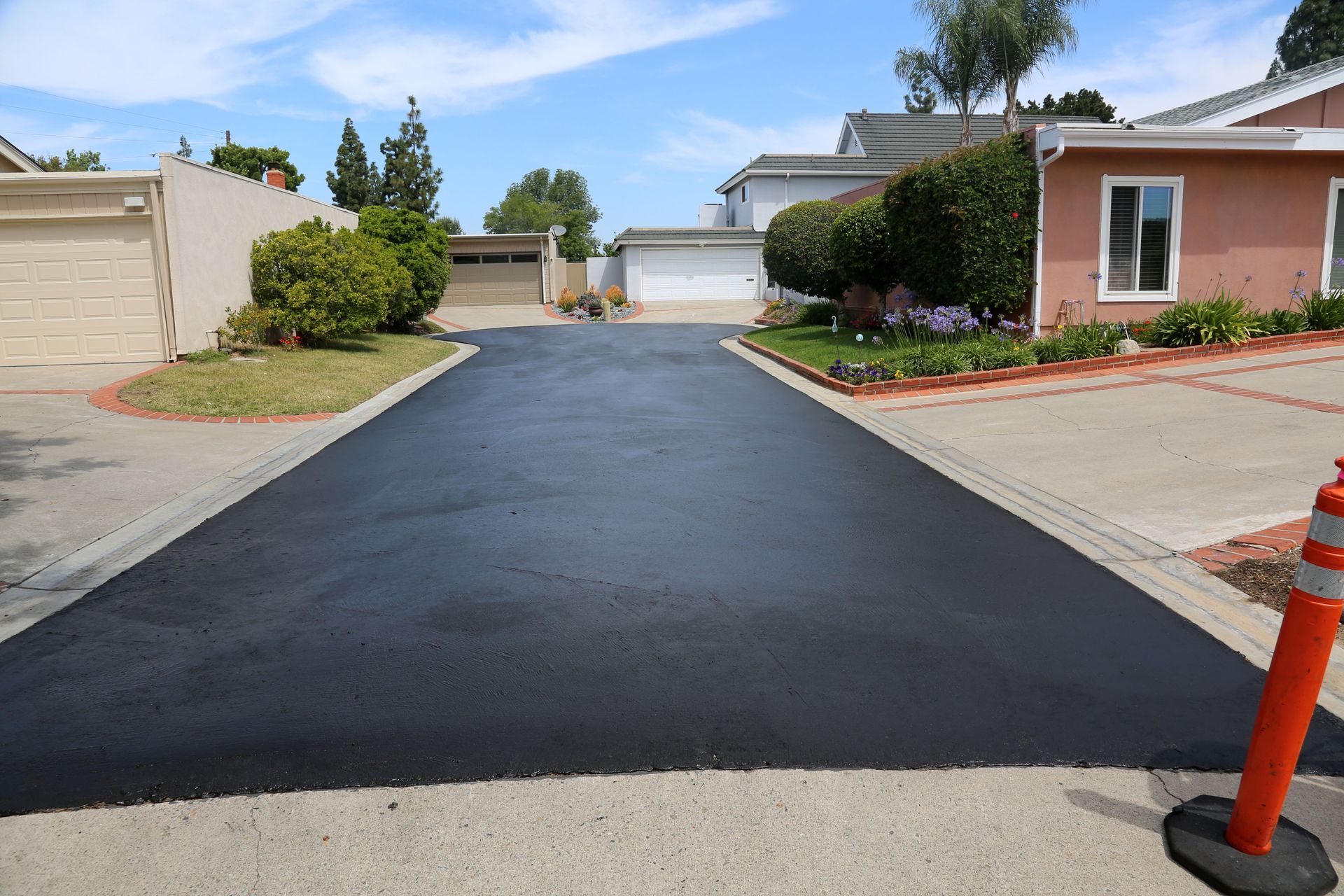
A key component of long-term pavement preservation is seal coating, which creates a protective barrier against moisture, oils, and ultraviolet exposure. According to Fixr, an asphalt parking lot or driveway typically benefits from seal coating about once every five to 10 years to maintain optimal condition. This rephrased industry guideline highlights how scheduled surface protection plays a role in sustaining durability over time, especially when applied as part of ongoing parking lot maintenance.
By maintaining a consistent treatment schedule, property owners can significantly slow the rate of surface degradation. This approach helps keep asphalt more flexible, reduces surface oxidation, and minimizes the formation of cracks that lead to deeper structural issues.
In addition, scheduled maintenance ensures that repairs are distributed more evenly across the pavement lifecycle. Rather than facing sudden large-scale reconstruction costs, owners can plan incremental investments that preserve functionality while controlling long-term expenses.
2. Reducing Long-Term Operational and Repair Costs
Minimizing Major Repairs Through Early Intervention
One of the most significant financial advantages of proactive pavement care is the ability to prevent major repairs. Small cracks, surface raveling, and localized potholes may appear minor at first, but they often serve as entry points for water and debris that accelerate deterioration.
Regular parking lot maintenance allows these issues to be identified and corrected early. Crack sealing prevents water intrusion, while patching restores compromised areas before they expand. These targeted repairs are significantly less expensive than full-depth reconstruction or resurfacing.
Without early intervention, water can penetrate the asphalt layers and weaken the base structure. Once this occurs, repair costs increase dramatically because the damage extends beyond the surface layer. What might have been a simple sealant application can escalate into large-scale excavation and replacement work.
By addressing issues promptly, property owners maintain better control over long-term maintenance expenses. This approach shifts spending from reactive emergency repairs to planned, manageable upkeep that aligns with operational budgets.
Controlling Lifecycle Costs Through Structured Maintenance Planning
Asphalt surfaces perform best when maintained according to a structured lifecycle plan. Rather than treating repairs as isolated events, a long-term strategy integrates multiple maintenance activities into a predictable schedule.
Parking lot maintenance plays a central role in this lifecycle approach by combining preventive treatments with corrective repairs. Services such as seal coating, crack filling, and resurfacing are timed to preserve surface integrity while maximizing material lifespan.
This structured approach reduces the likelihood of unpredictable expenditures. Instead of facing sudden and costly failures, property owners can anticipate maintenance needs and allocate resources accordingly. This financial predictability is especially valuable for commercial properties with strict budget constraints.
Over time, structured maintenance also reduces the total cost of ownership for asphalt infrastructure. By extending the intervals between major rehabilitation projects, property owners achieve better value from their initial paving investment.
3. Enhancing Safety, Compliance, and Customer Experience
Improving Surface Safety for Vehicles and Pedestrians
Safety is one of the most critical functions of a well-maintained parking area. Uneven surfaces, potholes, and surface cracks create hazards for both vehicles and pedestrians. These conditions increase the risk of tire damage, trips, falls, and other preventable incidents.
Routine parking lot maintenance addresses these risks by restoring surface smoothness and eliminating structural irregularities. Filling cracks and repairing damaged areas reduces trip hazards and improves vehicle stability during movement.
Clear surface conditions also improve driving behavior within the lot. When pavement is smooth and well-maintained, drivers are more likely to navigate at controlled speeds and follow designated traffic patterns. This contributes to a safer overall environment.
Pedestrian safety is equally important. Well-maintained walkways, crosswalks, and access areas reduce confusion and help separate foot traffic from vehicles. These improvements are especially important in high-traffic commercial settings where safety standards must remain consistently high.
Elevating Customer Experience and Property Perception
First impressions often begin in the parking area. Customers and visitors form opinions about a business long before entering the building, and pavement condition plays a significant role in that perception.
A clean, well-marked, and smooth surface communicates professionalism and attention to detail. In contrast, cracked or uneven pavement can create a negative impression that influences how the entire business is perceived.
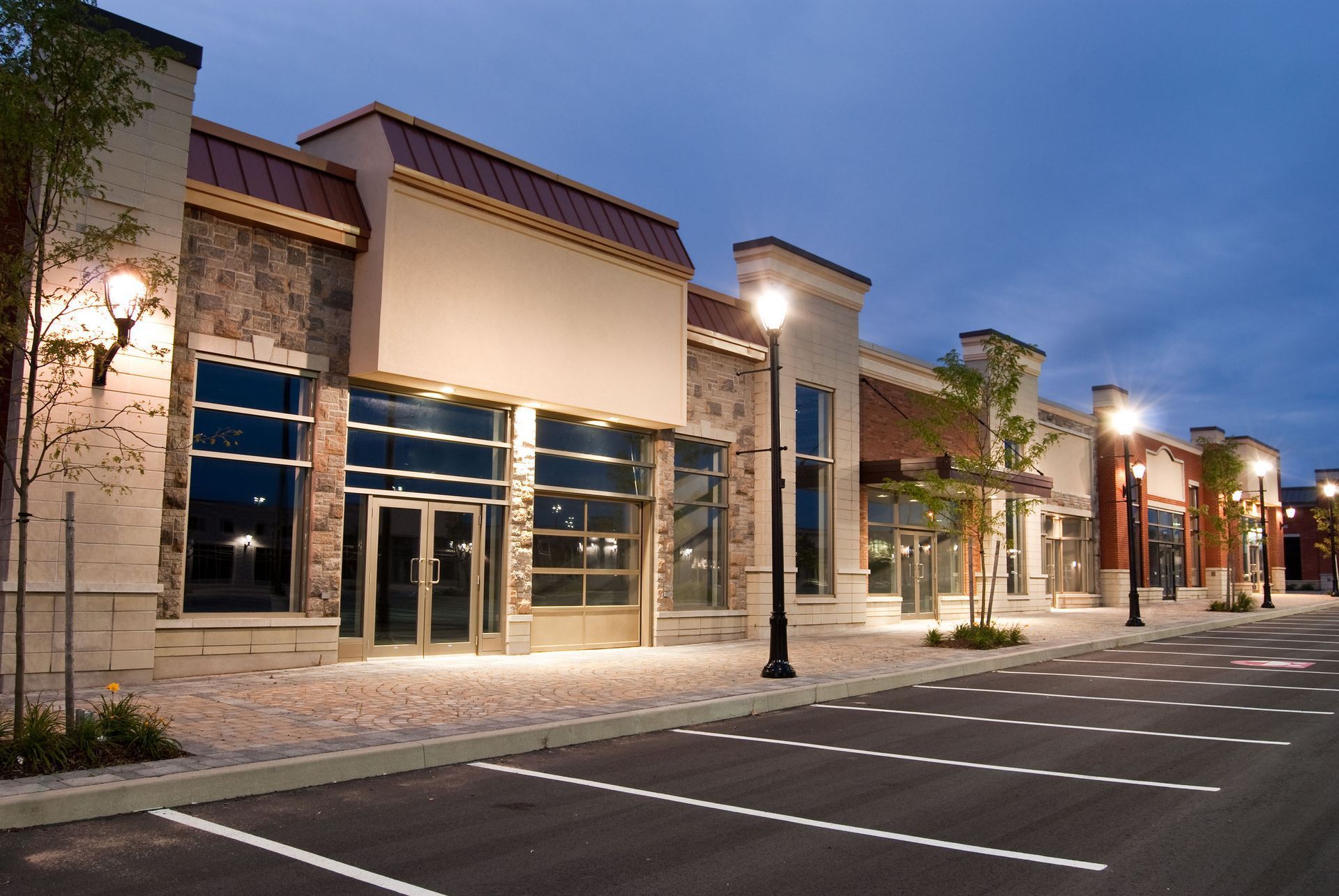
Parking lot maintenance contributes directly to customer experience by creating a welcoming and organized environment. Clear traffic flow, visible striping, and hazard-free surfaces make navigation easier and more intuitive for visitors.
This improved experience also supports repeat business and customer satisfaction. People are more likely to return to locations where they feel safe and comfortable. Even subtle improvements in pavement condition can contribute to a more positive overall impression.
Long-term pavement performance depends on consistent care that addresses both visible wear and underlying structural concerns. Through a structured approach to upkeep, property owners can extend surface lifespan, reduce operational costs, and maintain safer environments for all users.
Reliable parking lot maintenance supports these goals by preventing small issues from escalating into major failures while also preserving the appearance and functionality of commercial properties. When applied consistently, it becomes a strategic investment in both asset protection and customer experience. Contact Campbell Pavement Specialties Inc to learn more about professional maintenance for your parking lot!