November 21, 2026
The construction and maintenance of road infrastructure present unique challenges requiring a balance between robust engineering and ecological awareness. Modern society demands durable transportation networks, yet traditional construction methods often fall short in minimizing environmental disruption. According to the National Asphalt Pavement Association, a staggering 94% of the 2.8 million miles of paved roadways throughout the United States feature an asphalt surface. This vast scale makes adopting green pavement practices a necessity.
Today, asphalt milling services offer an indispensable solution for creating eco-friendly transportation networks. By exploring the core principles and benefits of this restoration process, community leaders and construction professionals can collaborate to build resilient systems. Understanding this technique allows municipalities to make informed infrastructure decisions.
Understand the Basics of Pavement Restoration
This specialized process involves removing the damaged top layer of a paved area without disturbing the underlying structural foundation. Unlike complete reconstruction methods mandating the tearing out of the entire depth of the pavement, this technique focuses exclusively on the compromised surface layer. Removing only what is necessary ensures the thick structural base remains intact. This targeted approach prevents waste and keeps the core structure solid for decades.
Historically, comprehensive reconstructions caused heavy traffic delays and severe ecological disruptions for communities. To solve these pressing issues, the paving industry developed much more efficient maintenance techniques. The required equipment evolved rapidly, transforming from basic scraping tools into precise heavy machinery. Today, professional asphalt milling services deliver a streamlined alternative to full-depth replacement. This reduces raw materials required while providing a restored driving surface for local commuters.
Following a systematic workflow optimizes efficiency and drastically minimizes negative environmental impacts on the local area. First, pavement engineers thoroughly assess street conditions to identify exact areas requiring surface removal. Next, technicians take precise physical measurements to determine the exact amount of material to be ground away, ensuring stability. The final step involves preparing the newly ground surface for fresh paving, culminating in a pristine roadway.
Protect the Surrounding Natural Environment
A primary ecological advantage of this technique is a reduction in waste production during heavy construction. Grinding machinery safely collects the removed material, which contractors transport to processing plants to be recycled into fresh pavement mixtures. Mixing these reclaimed materials into new batches keeps massive amounts of industrial debris out of local landfills. By prioritizing the continual reuse of existing pavement, the construction industry champions a functional circular economy model.
Relying on top-tier asphalt milling services plays a crucial role in conserving valuable natural resources across the country. Reusing reclaimed pavement means construction facilities demand significantly fewer virgin aggregates and liquid binders for their hot mixes. Decreasing the demand for newly extracted raw materials protects fragile natural ecosystems often damaged by extensive mining operations. Limiting extraction activities also cuts down on the heavy freight transportation required to move raw materials.
Energy conservation provides another significant ecological benefit for civil contractors and the communities they serve. Manufacturing new pavement components demands incredibly high temperatures and heavy fossil fuel consumption at the production plant. Recycling existing materials requires substantially less heat and energy processing to achieve the desired mixture for paving operations. Decreased energy consumption directly translates to lowered greenhouse gas emissions, aligning with global climate initiatives to mitigate harmful carbon footprints everywhere.
Maximize Financial Budgets and Local Economies
Local governments and commercial developers consistently seek innovative ways to stretch their maintenance budgets. Utilizing these modern techniques proves less expensive than executing traditional, highly disruptive reconstructive paving projects. By recycling existing surface layers, municipalities lower their spending on newly manufactured materials and manual labor hours. These retained funds allow city planners to redirect municipal budgets toward other critical public infrastructure improvements and essential community programs.
Strategic, proactive maintenance prolongs the usable lifespan of local transportation networks and rural highways. By stripping away compromised top layers before deep cracks penetrate the deeper foundation, contractors preserve the core structural integrity of the street. Addressing these minor surface defects early prevents catastrophic structural failures that require incredibly expensive replacements later. A longer-lasting street ensures taxpayer investments yield much higher returns over time without causing excessive disruption.
Decreasing the frequency of major repairs offers immense financial relief to private property managers and public civil departments. Consistent maintenance reduces the occurrence of dangerous surface hazards, drastically improving general road safety for daily commuters. The significant drop in repair frequency naturally cuts down on wasted time, promoting an efficient workflow within municipal maintenance teams. As a cost-reducing strategy, asphalt milling services represent a critical component of any pragmatic infrastructure program.
Leverage Advanced Heavy Machinery and Technology
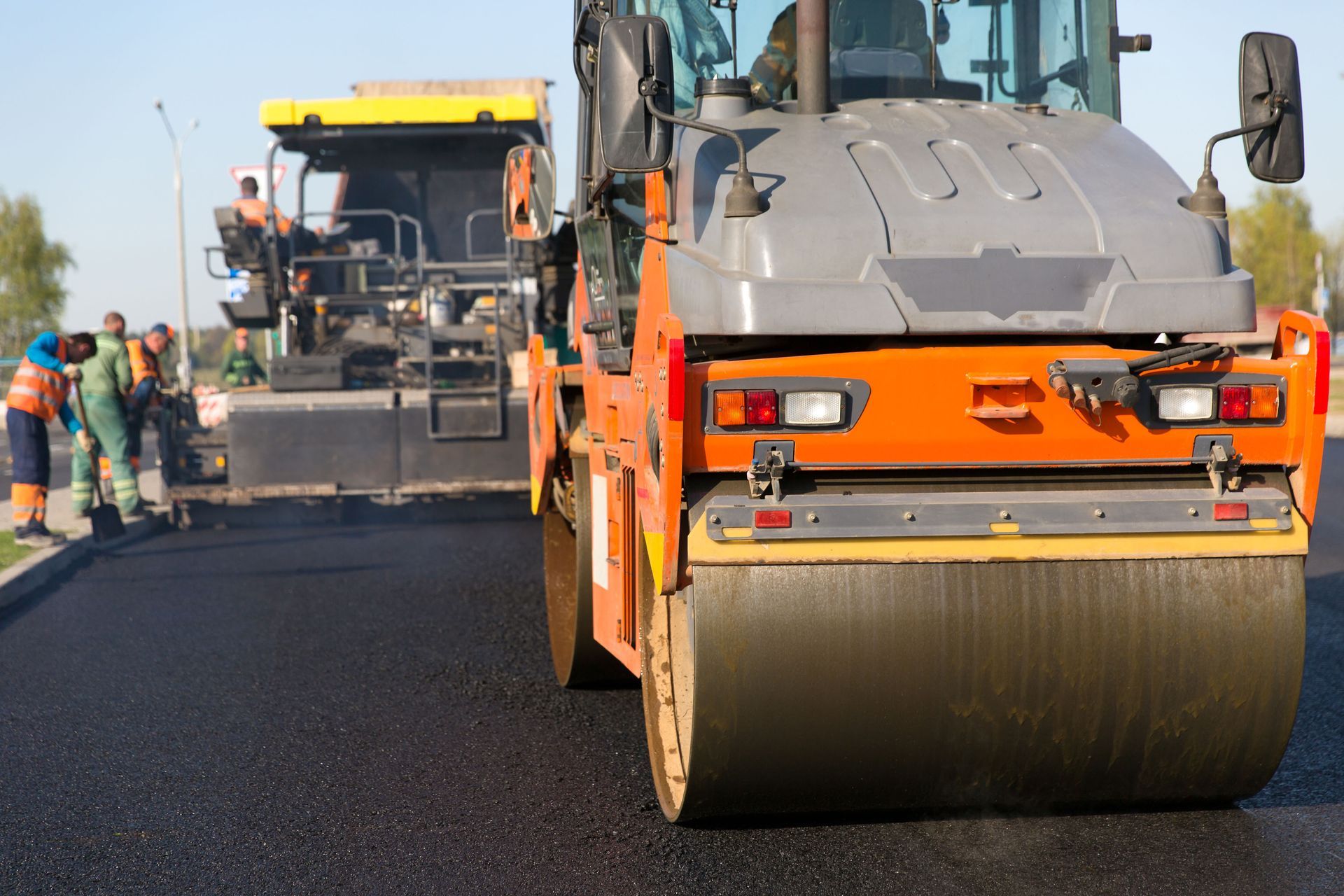
Modern infrastructure projects demand exact specifications, and advanced equipment provides unparalleled accuracy on the job site. Contemporary grinding machines utilize laser-guided systems and automated digital sensors to control the exact depth and slope of the cut. This rigorous control prevents operators from accidentally removing too much material, protecting the vital base layer beneath. Maintaining exact depths across long stretches ensures a uniform surface that performs better and lasts longer.
The integration of real-time data monitoring continues to elevate the effectiveness of asphalt milling services in complex urban environments. Operators use onboard computer systems that actively monitor engine performance, the precise condition of cutting teeth, and the consistency of removed debris. These automated controls optimize fuel consumption and allow paving crews to adapt to changing surface conditions instantly on the fly. Enhanced safety mechanisms also protect the crew from physical risks.
Unmatched equipment versatility ensures compatibility with a vast array of surface types and complex chemical compositions. Whether contractors are handling a conventional neighborhood street or an advanced highway mixture, adjustable cutting heads manage highly diverse material properties. This adaptability ensures high-quality results across diverse geographical regions, eliminating concerns about specific material compatibility. Grinding equipment can effortlessly tackle standard applications and specialized projects, expanding its overall value in the paving industry.
Shape the Future of Urban Transportation Networks
The transportation sector continues to evolve rapidly, and pavement maintenance techniques must keep pace with emerging global sustainability trends. Future technological innovations promise even greener practices, including fully automated robotic machinery and enhanced recycling agents that rejuvenate old binders more effectively. As researchers discover new ways to lower the temperatures required for material processing, the environmental impact of roadwork will plummet. Staying at the forefront remains imperative for stakeholders intent on leveraging modern technology.
Government policy and strict environmental regulations will influence the future trajectory of urban planning and major highway construction. Federal and state agencies frequently introduce stricter guidelines designed to mandate the use of recycled materials and limit industrial carbon emissions. These legal frameworks encourage municipalities to prioritize asphalt milling services over outdated, excessively wasteful reconstruction methods. By offering financial incentives for green construction practices, regulatory bodies push the entire industry toward superior ecological accountability.
Integrating modern smart city concepts with routine pavement maintenance presents exciting opportunities for proactive municipal transport planners. Next-generation streets will likely incorporate embedded digital sensors that monitor structural wear, surface temperatures, and traffic loads in real-time. Precision surface removal will allow paving crews to expose and repair these embedded technologies without destroying the entire sensory network below. As cities transform into digital hubs, intelligent pavement management will ensure these critical transportation arteries remain highly functional.
Maintaining a durable, eco-friendly transportation network requires abandoning outdated construction habits in favor of modern, precise engineering solutions. By embracing advanced surface recycling for your asphalt milling services, communities can dramatically reduce their environmental footprint, conserve natural resources, and save valuable taxpayer dollars. This innovative approach preserves vital structural foundations while providing smooth travel routes for future generations. If you are ready to upgrade your property with sustainable solutions, we invite you to contact us at Campbell Pavement Specialties, Inc. so we can start planning your next project together.